
Contract design
Model roles, events, and invariants so the on-chain logic matches the product intent.
Smart Contract Development
Design and implement smart contracts around clear rules, reviewable interfaces, and the product behaviors users depend on.
01START WITH THE NEED
Define the states, permissions, and outcomes the contract must enforce, then plan testing and review before mainnet exposure.
02DEFINE THE RIGHT SCOPE
These are useful starting points for a scope discussion, not a fixed package of deliverables.
Model roles, events, and invariants so the on-chain logic matches the product intent.
Use testnets, scenarios, and review checkpoints to reduce avoidable failure modes.
Connect contract calls to product UI with clear pending, success, and error states.
03MAKE THE IDEA TANGIBLE
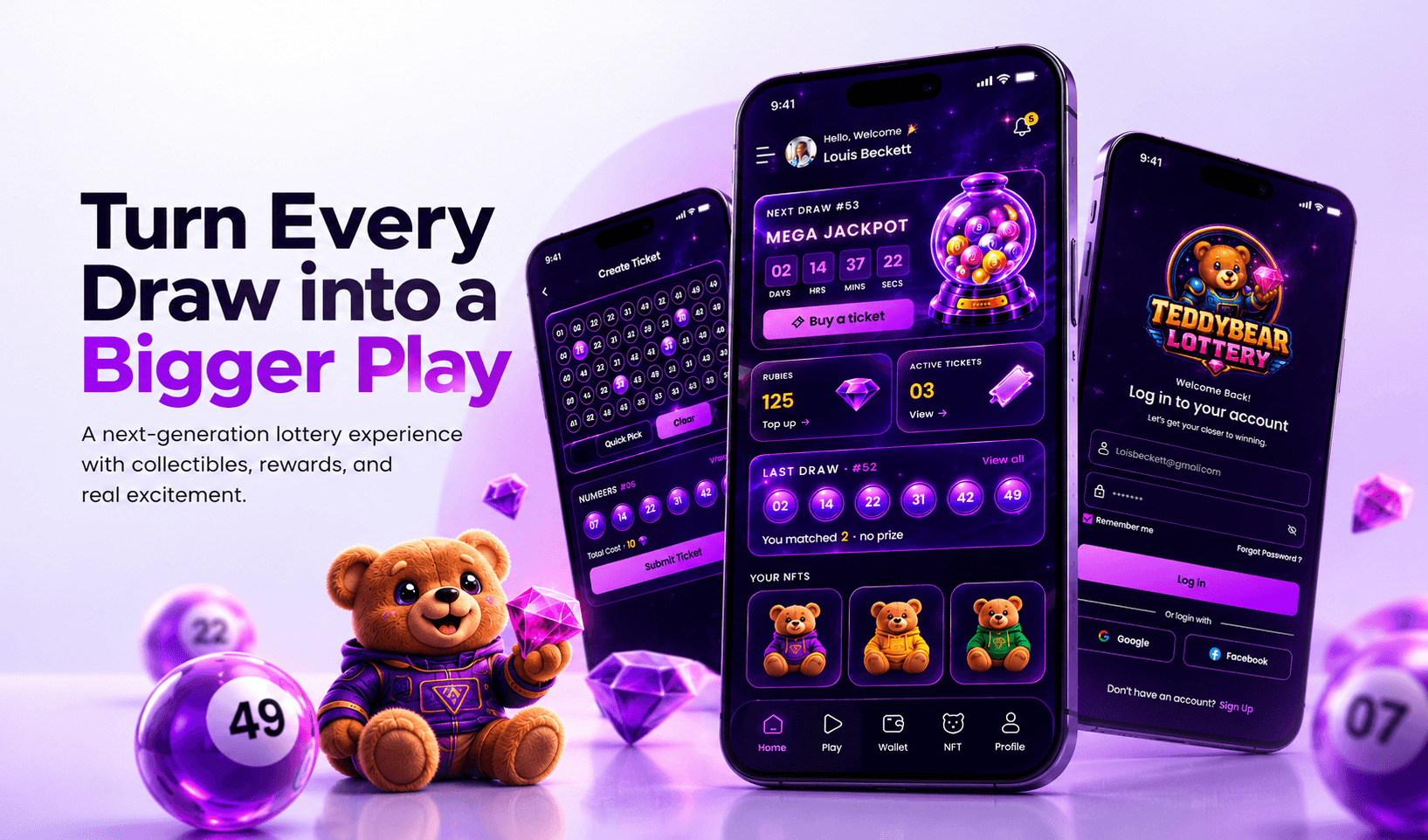
Interface examples that show the service in context. Mockups use sample content; portfolio images are identified.
BLOCKCHAIN
Model roles, events, and invariants so the on-chain logic matches the product intent.
BLOCKCHAIN
Use testnets, scenarios, and review checkpoints to reduce avoidable failure modes.
BLOCKCHAIN
Connect contract calls to product UI with clear pending, success, and error states.
04FROM QUESTION TO PRODUCT
Scope, review points, and responsibilities are agreed around the actual engagement.
Clarify the use case, users, constraints, integrations, and what success should look like for the first release.
Map the experience, data flows, and technical approach so the team can validate assumptions early.
Implement the agreed scope, connect systems securely, and review progress against acceptance criteria.
Prepare for release, hand over documentation, and identify sensible next improvements based on real usage.
05MAKE THE BOUNDARIES CLEAR
Upgrade and ownership strategy
Gas and UX tradeoffs
Audit readiness
Explore the published Appsters portfolio06USEFUL QUESTIONS
Start a conversation about the requirements that matter to your project.
A short description of the problem, intended users, devices or networks involved, constraints, and the outcome you want from the first release.
Often yes. Share the current systems, APIs, and ownership constraints so we can discuss a practical integration path.
We define priorities, acceptance examples, and review milestones before production work begins.